

A research-backed guide for parents who want mealtime peace
If you’re living with a picky eater, you already know the daily drill:
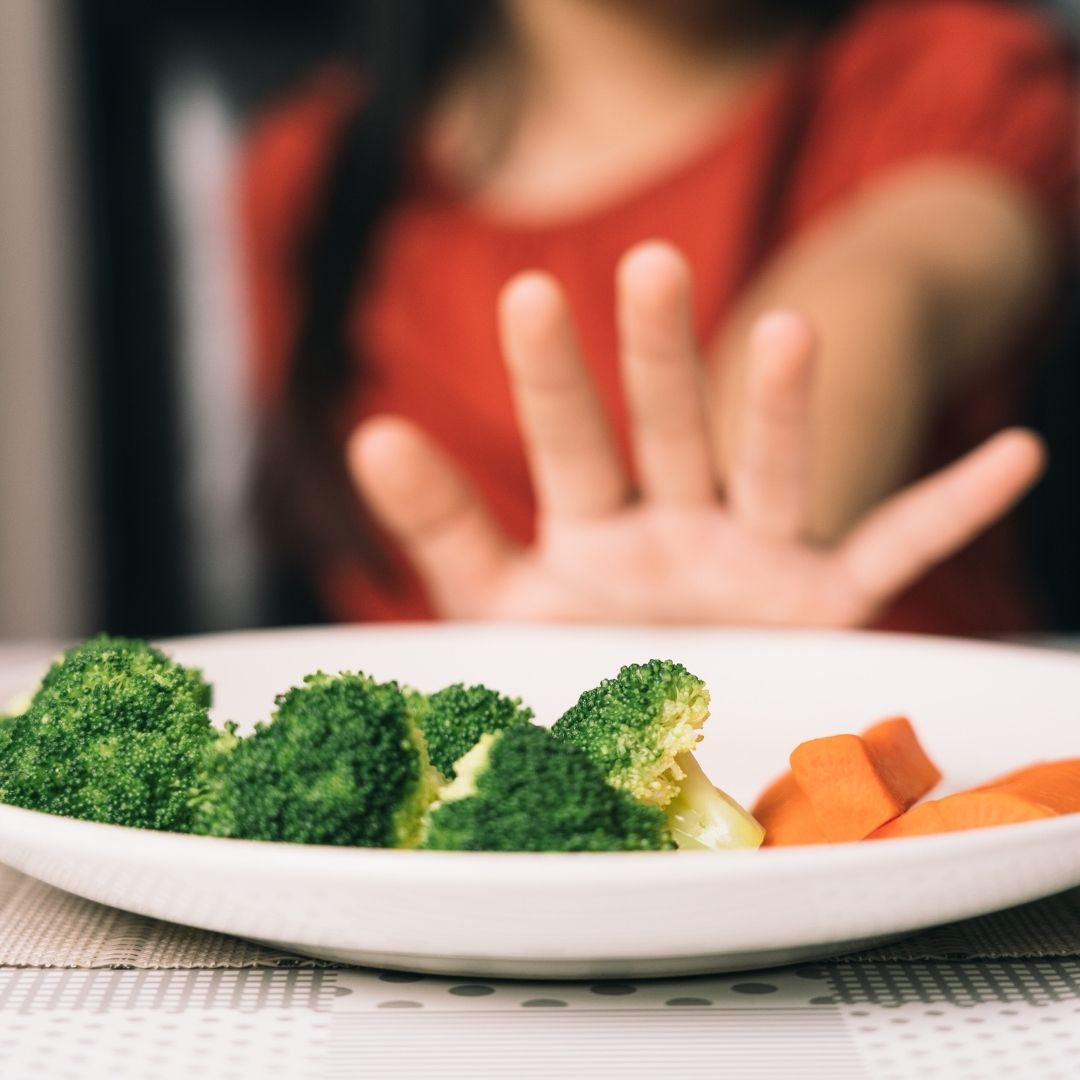
You cook a balanced meal, place it gently in front of your child, and before the plate even touches the table you hear:
“I don’t like that.”
“It looks weird.”
“I’m not eating it.”
It’s draining.
It’s emotional.
And it can feel like you’re doing something wrong — or that your child is impossible to feed.
But here’s the truth every parent needs to hear:
Picky eating is normal. Really normal.
Up to 50% of young children experience a picky eating phase, especially between ages 2–6. And surprisingly, some of the strategies parents use—often out of love and frustration—can unintentionally make picky eating worse.
The good news?
With a little science, a little patience, and a little creativity, you can turn this around.
Let’s explore 5 common mistakes, why they backfire, and what actually helps, according to research.
❌ Mistake #1: Pressuring children to “just take one bite”
This is one of the most common strategies—and one of the most counterproductive.
Parents say it with the best intentions. You want to encourage, not punish. You want your child to try something you know they’ll eventually like.
But studies show that pressure creates anxiety and reduces willingness to try new foods.
Children are wired to seek autonomy. The moment they feel forced, the brain interprets the situation as unsafe—not because of the food itself, but because the child feels out of control.
✔ What to do instead
Offer without pressure.
Allow exploration without expectation.
Say things like:
“You can touch it or smell it first if you want.”
“Let’s just have it on our plate for now.”
“Want to help me cook it?”
This approach builds trust instead of resistance.
Supported by research: Galloway et al., 2006 (Appetite)
❌ Mistake #2: Offering dessert as a bribe
“Eat three bites and you’ll get ice cream!”
This seems like a great motivator — and in the VERY short term, it might work.
But long-term? It’s harmful.
Bribing teaches your child:
-
Vegetables = chore
-
Dessert = prize
-
Healthy eating = something to endure
Children quickly learn to evaluate food by reward value, not by internal cues of hunger, curiosity, or health.
✔ What to do instead
Separate dessert from negotiations.
Offer dessert occasionally, without tying it to certain foods.
Celebrate bravery and exploration, not consumption.
For example:
“You smelled the bell pepper today—amazing! You’re becoming a real food explorer.”
❌ Mistake #3: Giving up too soon
Many parents assume that if their child rejects a food twice, they “don’t like it.” But research shows that children often need 10–15 exposures before accepting a new food.
Think of it like warming up to a new activity or environment—it takes time, repetition, and comfort.
✔ What to do instead
Use micro portions and consistent exposure.
Put a small slice of pepper, a single pea, or a tiny pinch of carrot on the plate — even if your child ignores it.
Exposure builds familiarity.
Familiarity builds trust.
Trust opens the door to trying.
Research: Caton et al., 2013 (American Journal of Clinical Nutrition)
❌ Mistake #4: Only offering foods they already like
You’re tired. You’re stressed. You don’t want a meltdown.
So you serve the same 3–4 “safe foods” over and over.
This is completely understandable — but it also reinforces fear of novelty.
Your child learns:
Unfamiliar = unsafe
Familiar = safe
This pattern makes picky eating more persistent over time.
✔ What to do instead
Use the 1 safe + 1 new rule.
Serve:
-
1 food your child always accepts
-
1 food you want to introduce
No pressure to eat the new item — just presence.
Over time, this method gently stretches your child’s food comfort zone.
❌ Mistake #5: Speaking negatively about the food (or the situation)
Parents don’t realize how powerful their words are.
A statement like:
“You probably won’t like this…”
or
“Just try it for Mommy…”
creates pressure and shapes a child’s belief about themselves.
Children internalize labels, and those labels become their identity:
“I’m a picky eater.”
“I don’t like vegetables.”
“Trying new food is scary.”
✔ What to do instead
Use neutral, observational, or playful language.
Try:
“This pepper is super crunchy.”
“Look how bright this color is!”
“Let’s explore this together.”
Neutral language removes pressure, while playful language boosts curiosity.
What does help picky eaters?
Research consistently shows that the following strategies improve acceptance of new foods:
✔ Repeated exposure
Tiny, consistent interactions matter more than big efforts.
✔ Autonomy
Let your child take the lead.
✔ Modeling
Eat the food enthusiastically in front of them.
✔ Play & sensory exploration
Touching, smelling, cooking — all count.
✔ Storytelling
This one is powerful.
Children learn best through stories.
When a character they admire enjoys a vegetable—and gains something magical, empowering, or funny from it—their emotional brain thinks:
“Maybe I can try that too.”
This is the foundation of Vegetable Legends — using adventure and imagination to make healthy foods feel exciting, safe, and meaningful.
Storytelling as a tool for healthy eating
Stories lower fear and increase curiosity by:
-
Creating emotional connection
-
Making vegetables “friendly” and familiar
-
Helping children imagine themselves trying foods
-
Offering a safe world where trying something new feels heroic
In Vegetable Legends: The Tale of Bell Pepper, children follow Kai and Kiki as they discover how the first bell pepper came to be — and how its magical properties help them save the day.
It’s not about lecturing kids.
It’s about inviting them into a world where vegetables have stories, personalities, and superpowers.
And when kids FEEL differently about food…
they ACT differently around food.
Final Thoughts for Parents
If you’ve been battling picky eating, please know:
You haven’t failed.
Your child isn’t stubborn or difficult.
They’re developing — in a completely normal, science-backed way.
With gentle strategies, patience, and a little creativity, your child can learn to approach new foods with curiosity instead of fear.
Healthy eating is not built through pressure.
It’s built through connection, repetition, and imagination.
You are doing better than you think.
And your child is capable of so much more than they realize.